
“How We Aped It: Thousands of Shots and Character Simulations with Only a Handful of TDs” by Haryono, Merlo, Johnston and Hawker
Conference:
Type(s):
Title:
- How We Aped It: Thousands of Shots and Character Simulations with Only a Handful of TDs
Session/Category Title:
- Rigging and Character Animation
Presenter(s)/Author(s):
Moderator(s):
Abstract:
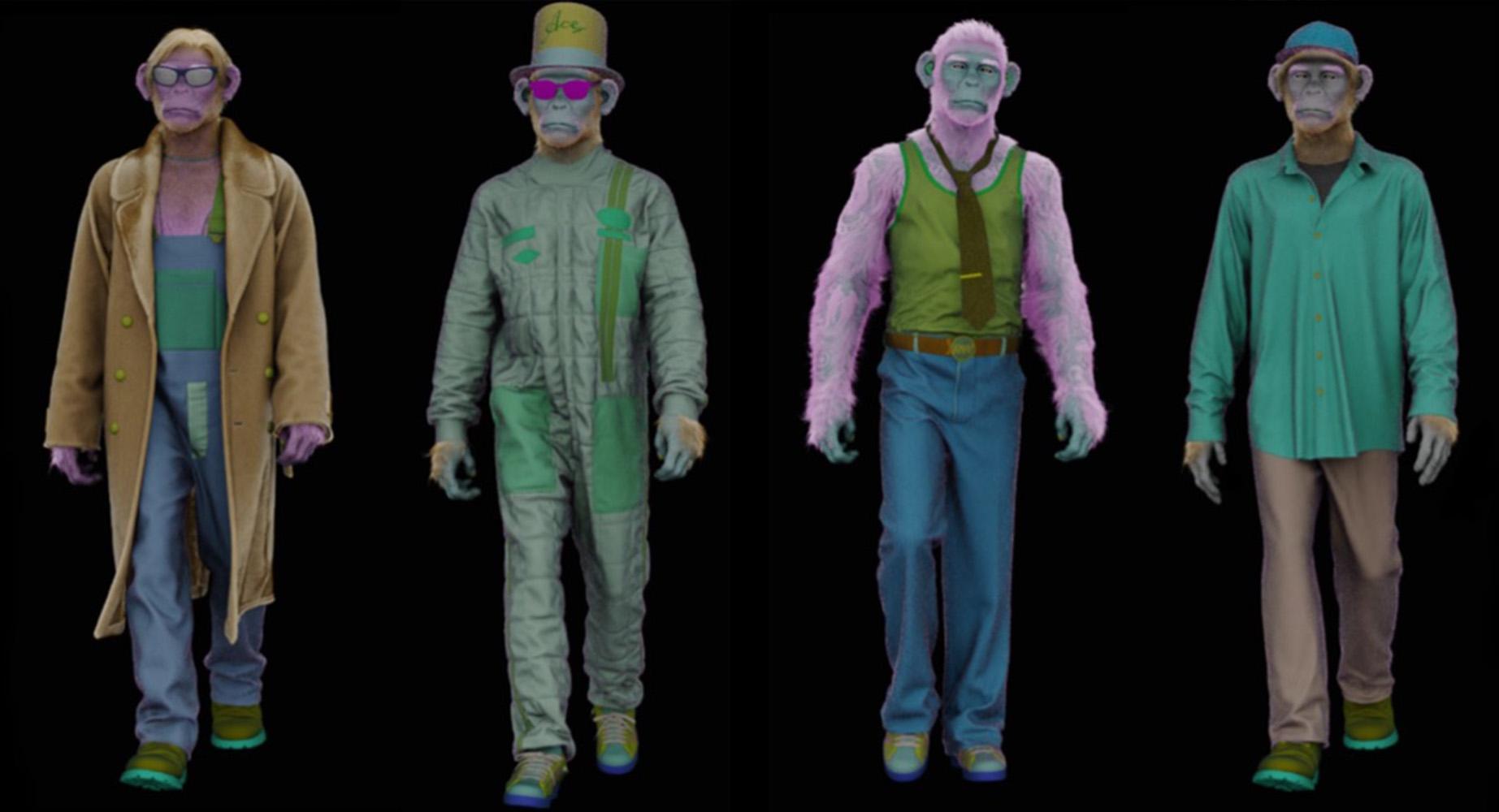
We present a modular, asset-centric CFX workflow for costumes and hair/fur. Asset setup focusses on individual asset-level simulation set ups. Each garment or costume element can have multiple initial states to allow an individual items to work with various configurations. Different asset combinations are defined by a costume collection which defines the garments and/or costume elements to be worn at the same time. We then construct simulation scenes procedurally through merging the defined garments into a single scene and solving them together. Animation pre-roll is applied to transition the character from a default pose at origin to the start of the shot and this pre-roll is configurable per character. Shot-specific modifications and overrides are applied hierarchically, allowing flexible automatic shot tweaks which are persistent and get reapplied consistently with any upstream changes, reducing manual rework and streamlining iterative processes. Costume collections can also be modified after the predefined costume collection by adding tweaks to the manifest. Default costume behaviors can also be adjusted through scripts. These allow constraint and solver coefficient adjustments, adding custom colliders and/or introduction of other influences such as water, wind affecting the garments. Characters can be simulated together for bi-directional interaction, and we can also run wedges to create branches of jobs with different settings applied. Future work includes the option to split costume collections into multiple groups that can be run separately and dynamic sub stepping for extreme motion. This system has allowed delivery of large numbers of simulated elements across many shots with small numbers of Creature Technical Directors able to build assets and cover any shot specific work. It is highly efficient, flexible, and provides a significant advantage over more manual approaches to CFX.
References:
[1] Philipp and Buschauer. 2021. Building An Artist Friendly CFX Pipeline. In SIGGRAPH 2021 Houdini HIVE Talks.
[2] Laura Guerreiro, Tommy Toussaint. 2022. CFX Cloth and Hair at Unit Image. In FMX 2022 Houdini HIVE Talks.



