“Puppets to Pixels – Using Live Physical Puppet Performances for Digital Animation Characters and Creatures” by Mars, Downey, Moen and Wolf
Conference:
Type(s):
Title:
- Puppets to Pixels - Using Live Physical Puppet Performances for Digital Animation Characters and Creatures
Session/Category Title:
- Rigging and Character Animation
Presenter(s)/Author(s):
Moderator(s):
Abstract:
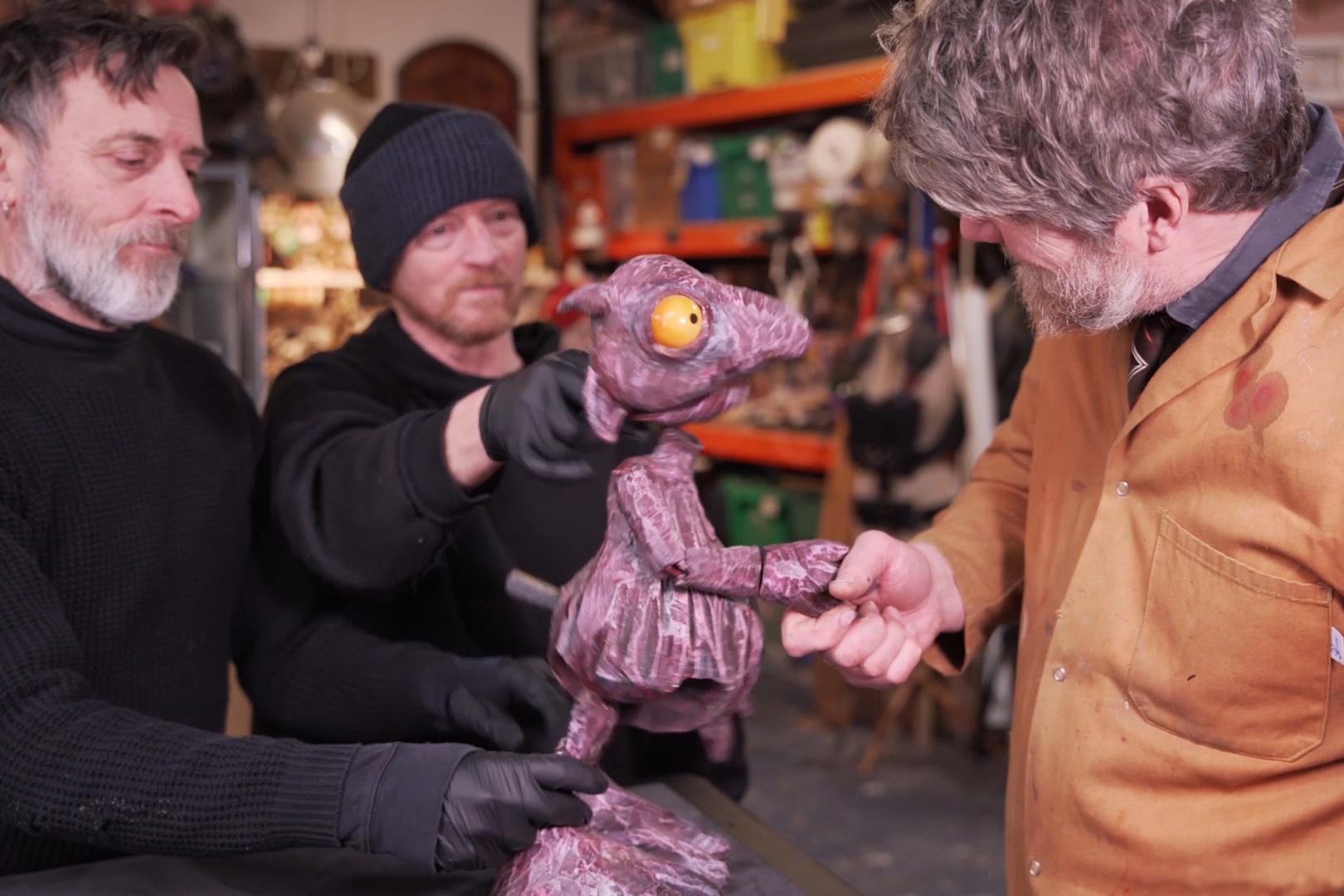
Why Capture Puppets? – Physical puppets allow directors and actors to work with non-human characters with the same flexibility, freedom and immediacy as human actors (We will practically demonstrate the experience via audience interaction with a professionally performed theatrical puppet, which will continue at points during the presentation) – Capturing these performances means non-human digital characters can work alongside and be directed like physical actors. – Real-time capture of in-the-moment live performance, – True real-world weight, physicality and movement transferred to digital twins – Disrupts the limitations of human-based motion capture systems and learning model training data sets (that these movements are always from human physicality) – Origins of motion capture as a whole come from the technology of puppetry, animatronics – Rigs like Dinosaur Input Device, Sil and Hensons’ Waldo operate as control systems for the digital performances, with a director focus on digital output screens – puppix, a new capture system, keeps the performance focus on the character in the room, not on the screen. – Reference puppets are already used on set as placeholders for CG characters, providing lighting, position, interaction reference – Actors already interact with the reference puppeteers’ performances. – puppix allows the full actual reference puppet performance to be motion captured – Secondary movements and whole body physicality match the digital characters, and transfer to the digital character for free. – Director and performers focus in the room, whilst creating digital animated performances. – A tool like human-based motion capture, but for non-human characters and creatures. (We will show examples of puppix outputs alongside the original performance footage) How We Do This – Practicalities: – How to build a puppet pair for motion capture – The performance process – successful live performance methods – Data processing considerations – Practical capture considerations – extra notes for the VFX supervisor Our Thanks and Partnerships explained
References:
[1] Brian Knep, Craig Hayes, Rick Sayre, and Tom Williams. 1995. Dinosaur input device. In Proceedings of the SIGCHI Conference on Human Factors in Computing Systems (CHI ’95). ACM Press/Addison-Wesley Publishing Co., USA, 304–309.