
“Accelerating AEC Workflows with 3D Geospatial Context in Runtime Engines” by Luhn, Paulson, Liss and Willard
Conference:
Type(s):
Title:
- Accelerating AEC Workflows with 3D Geospatial Context in Runtime Engines
Session/Category Title:
- Lots 'o' Limbs
Presenter(s)/Author(s):
Moderator(s):
Abstract:
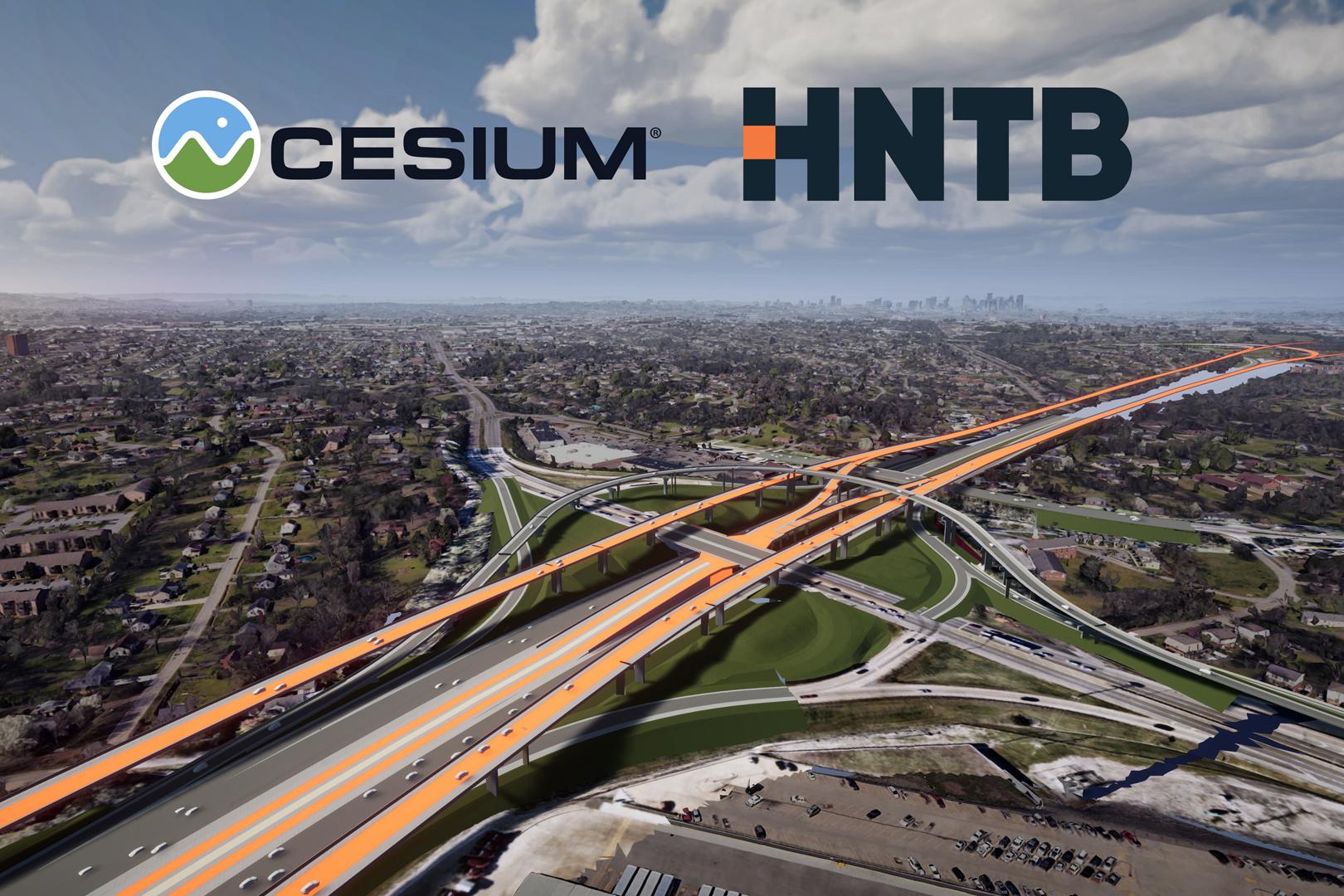
HNTB is an Architectural & Infrastructure Engineering firm focused on supporting the Design, Engineering & Planning of large infrastructure projects globally. Cesium is a software company providing an open & interoperable platform for the community to accelerate 3D geospatial use cases. HNTB & Cesium have combined their expertise’s to collaborate on accelerating designs, visualizations and contextual awareness for studies, analysis, and optimization for infrastructure projects. HNTB has adopted Cesium software to reduce their level of effort for the creation of large-scale infrastructure projects that span from small tollway plazas to 26-mile roadmap alignments, of which prior to Cesium would require hundreds of hours to model manually. To benefit more from the use of Cesium software, HNTB has developed multiple toolsets for the editing of Cesium produced 3D Tiles within the Unity and Unreal engines, such as: – Volumetric masking – Edge blending of 3D tiled assets (adding skirts) – Curvature adjustment of the design model, if needed, using HNTB custom spline-based curving tool (non-destructive to the 3D model) – Adding trees & foliage To accelerate AEC workflows, Cesium provides out-of-the-box geospatial context, such as Google Photorealistic 3D Tiles, for AEC user’s digital twins. Cesium tiles, optimizes, and hosts user’s data, such as design models and reality capture, to 3D Tiles. This enables users to stream their 3D Tiled data, with Geospatial Context, performantly at runtime. Cesium open-source clients, such as Cesium for Unity, combines the 3D geospatial capability of Cesium with the high-fidelity rendering power of Game Engines. To further enhance the AEC community workflows, Cesium continues to release new features, including: – The Cesium Design Tiler, which provides tiling and efficient streaming of BIM models while maintaining the model’s geometry & metadata – Cesium ion for Autodesk Revit provides Revit users a seamless way to export and publish their designs as 3D Tiles



