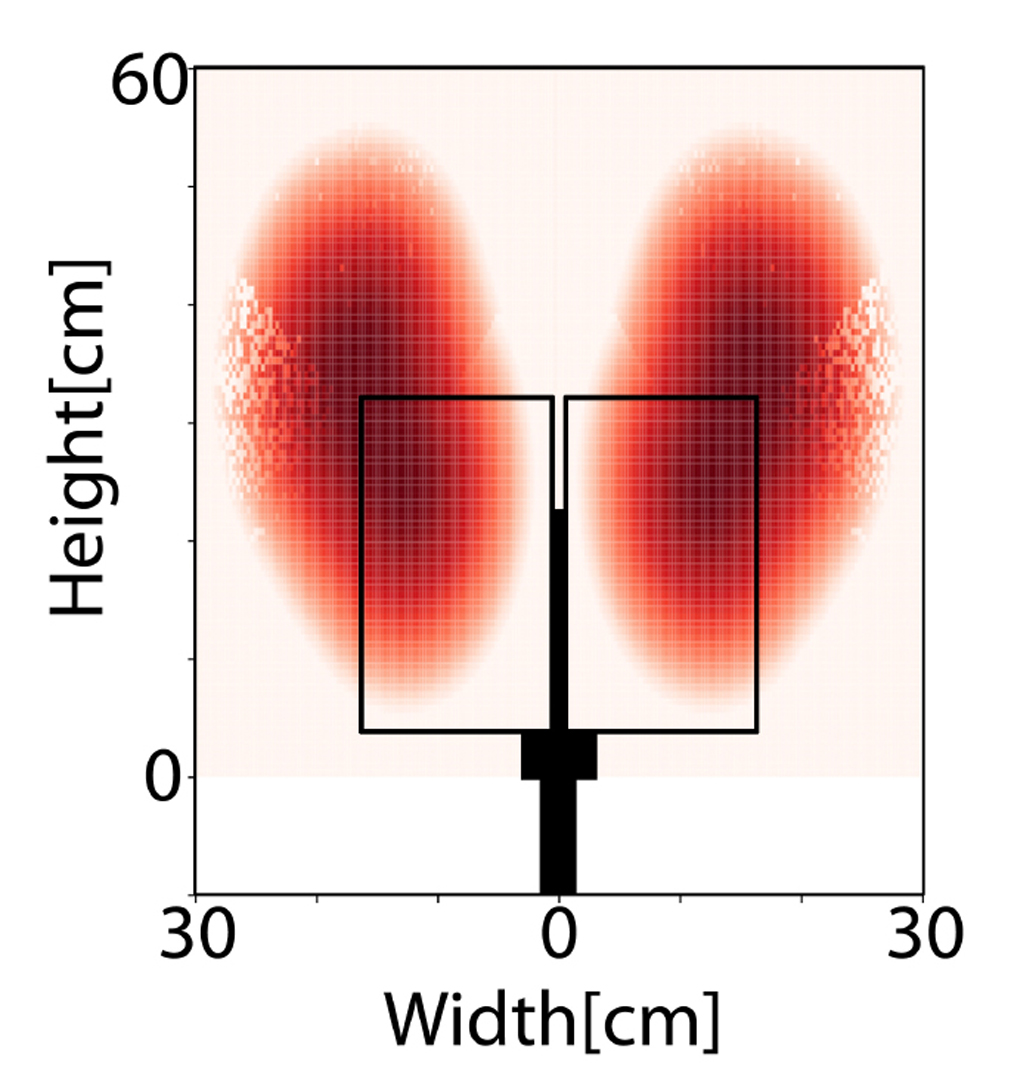
“ShapeSense: A 2D Shape-Rendering VR Device With Moving Surfaces That Controls Mass Properties and Air Resistance” by Liu, Hashimoto, Yoshida, Narumi, Tanikawa, et al. …
Conference:
Experience Type(s):
Title:
- ShapeSense: A 2D Shape-Rendering VR Device With Moving Surfaces That Controls Mass Properties and Air Resistance
Program Title:
- New Technologies Research & Education
Organizer(s)/Presenter(s):
Description:
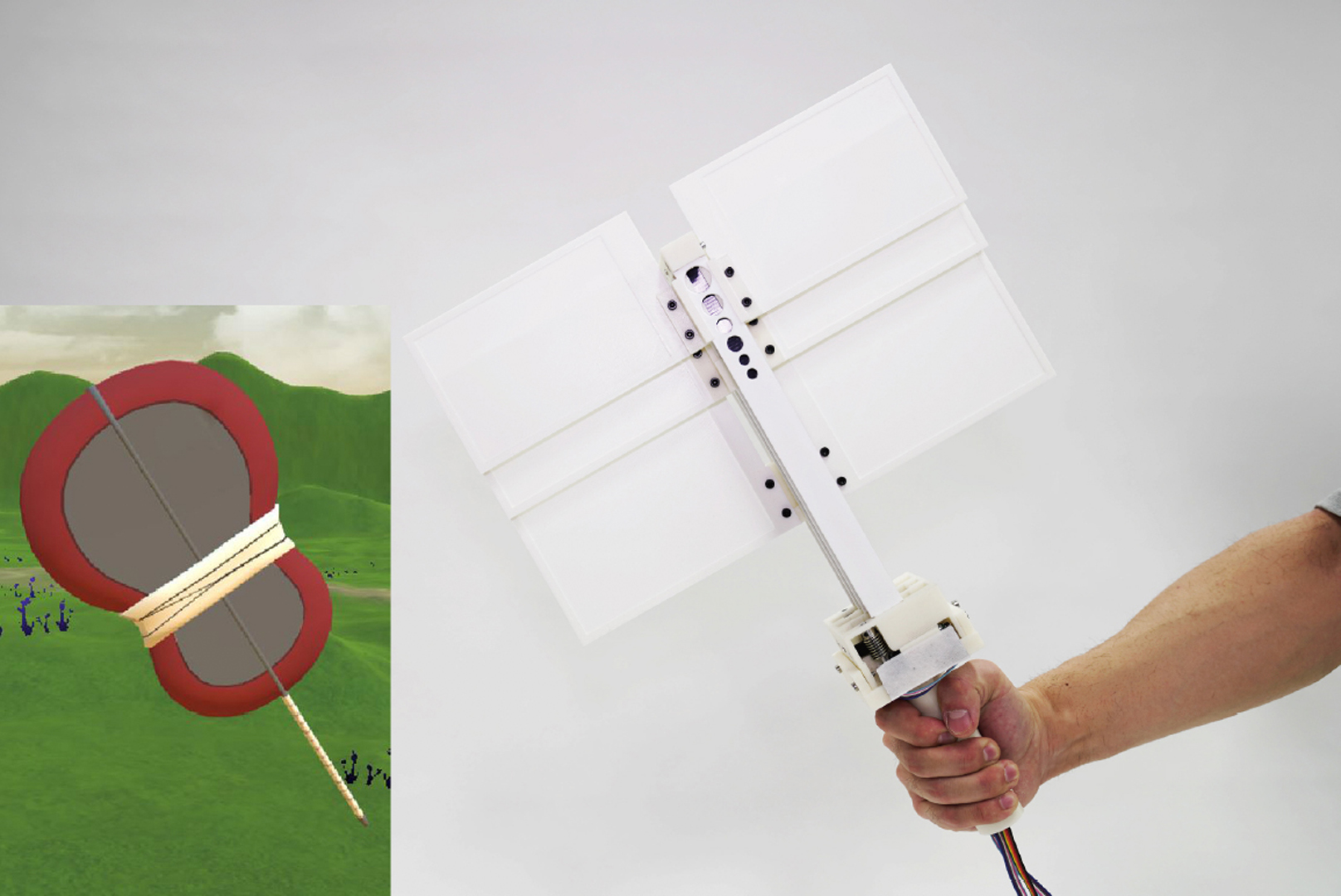
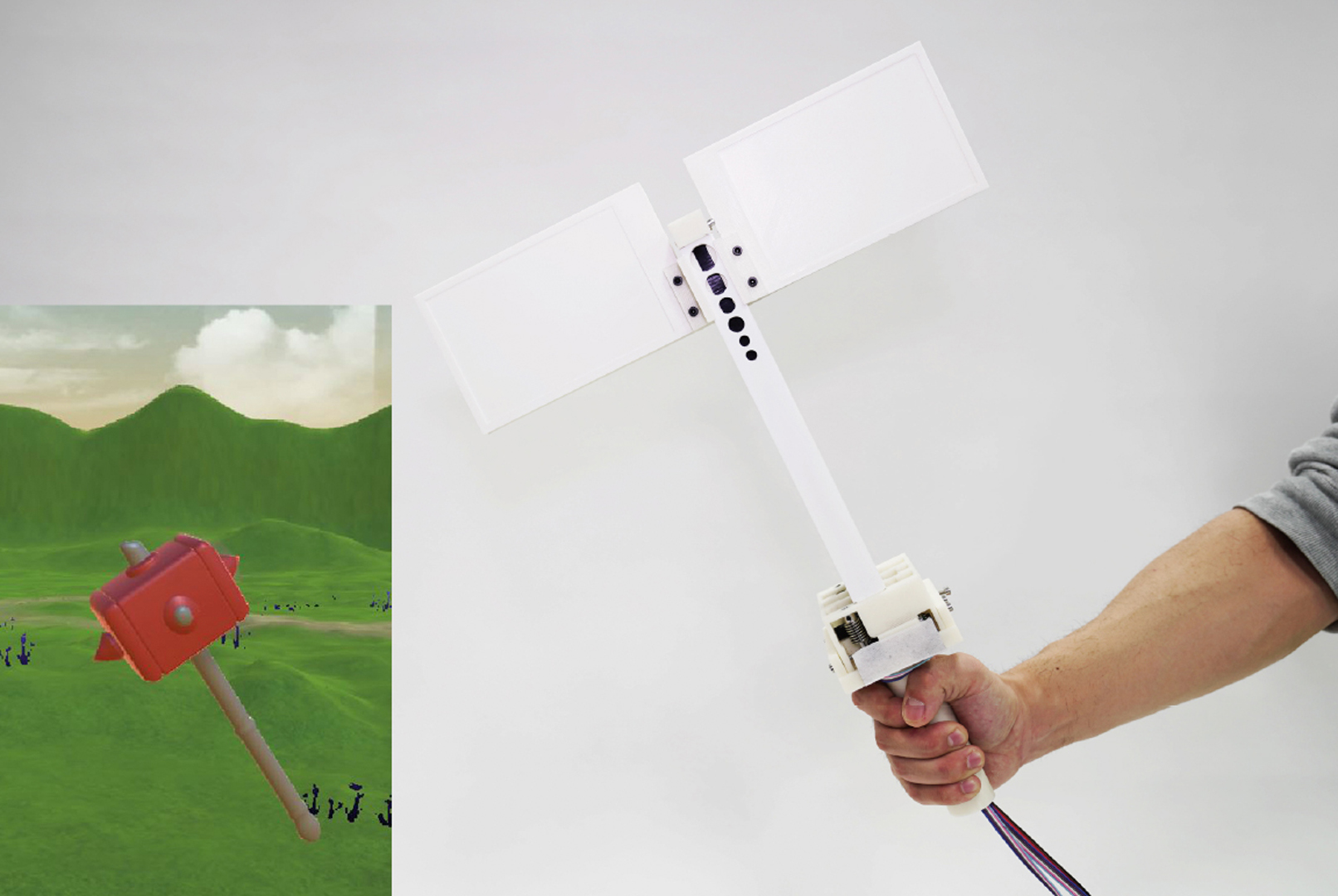
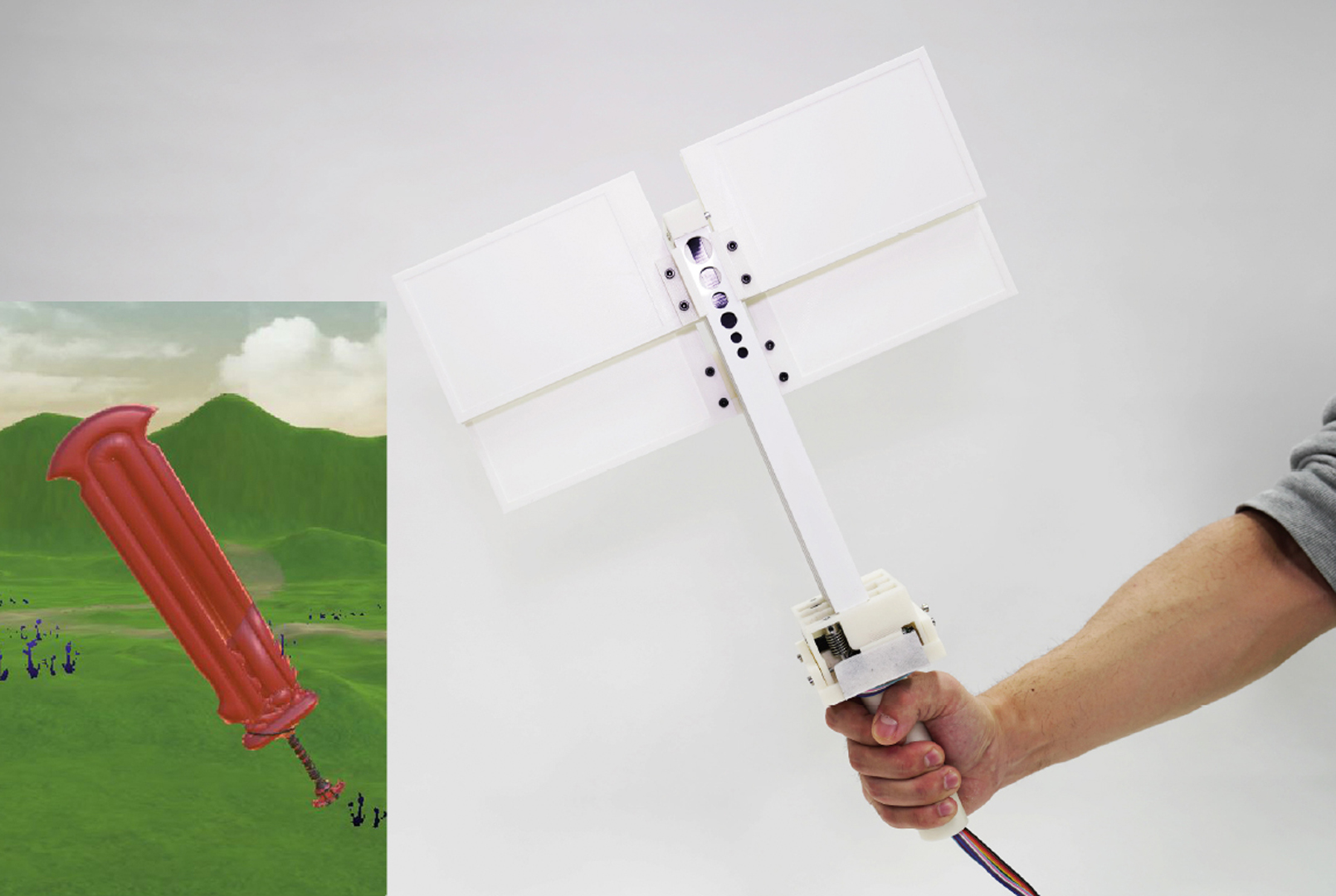
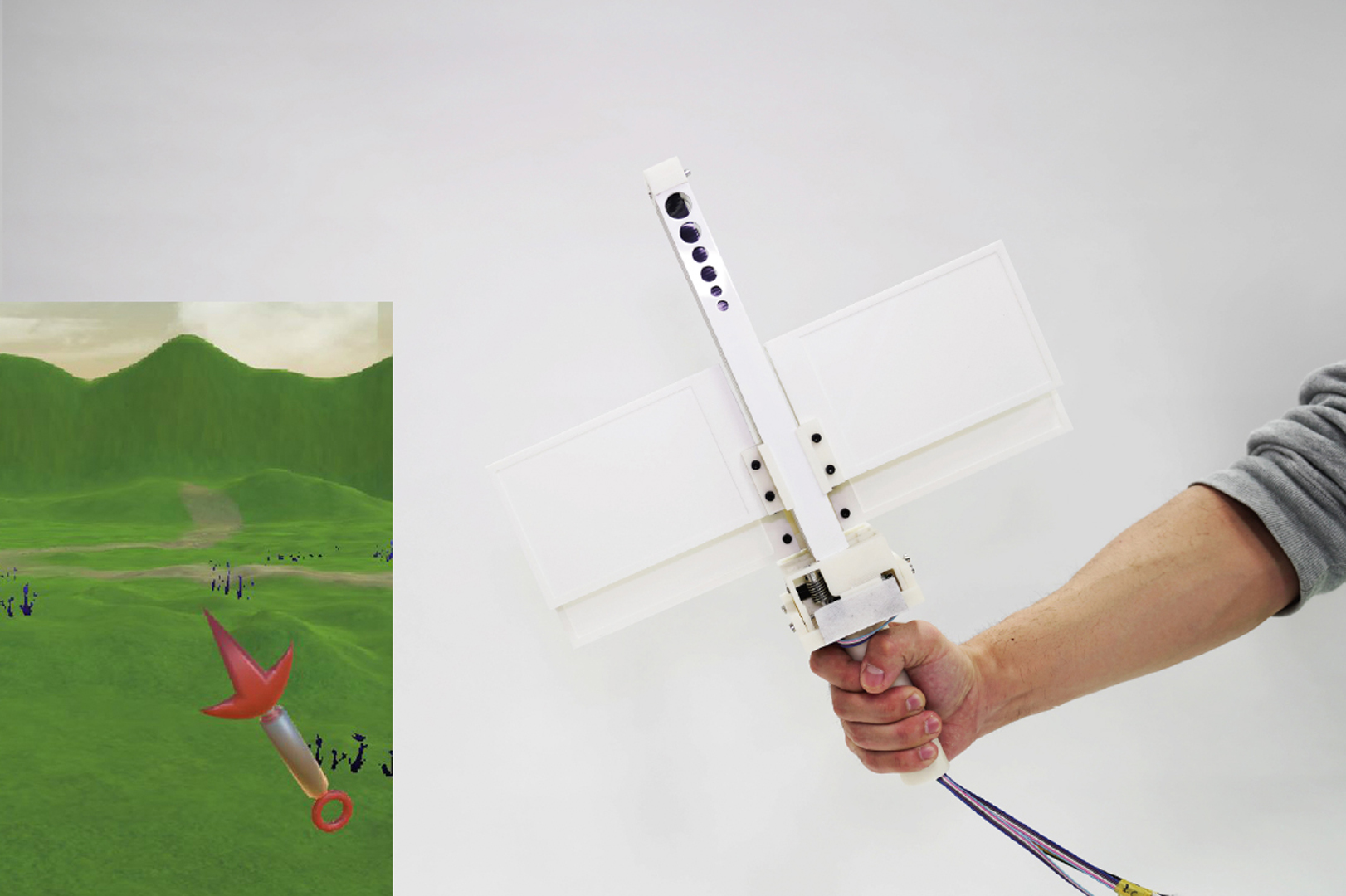
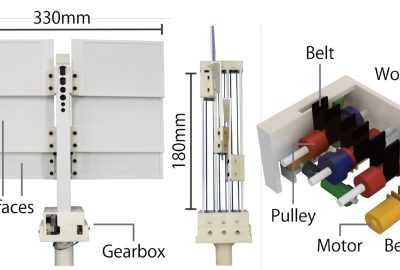
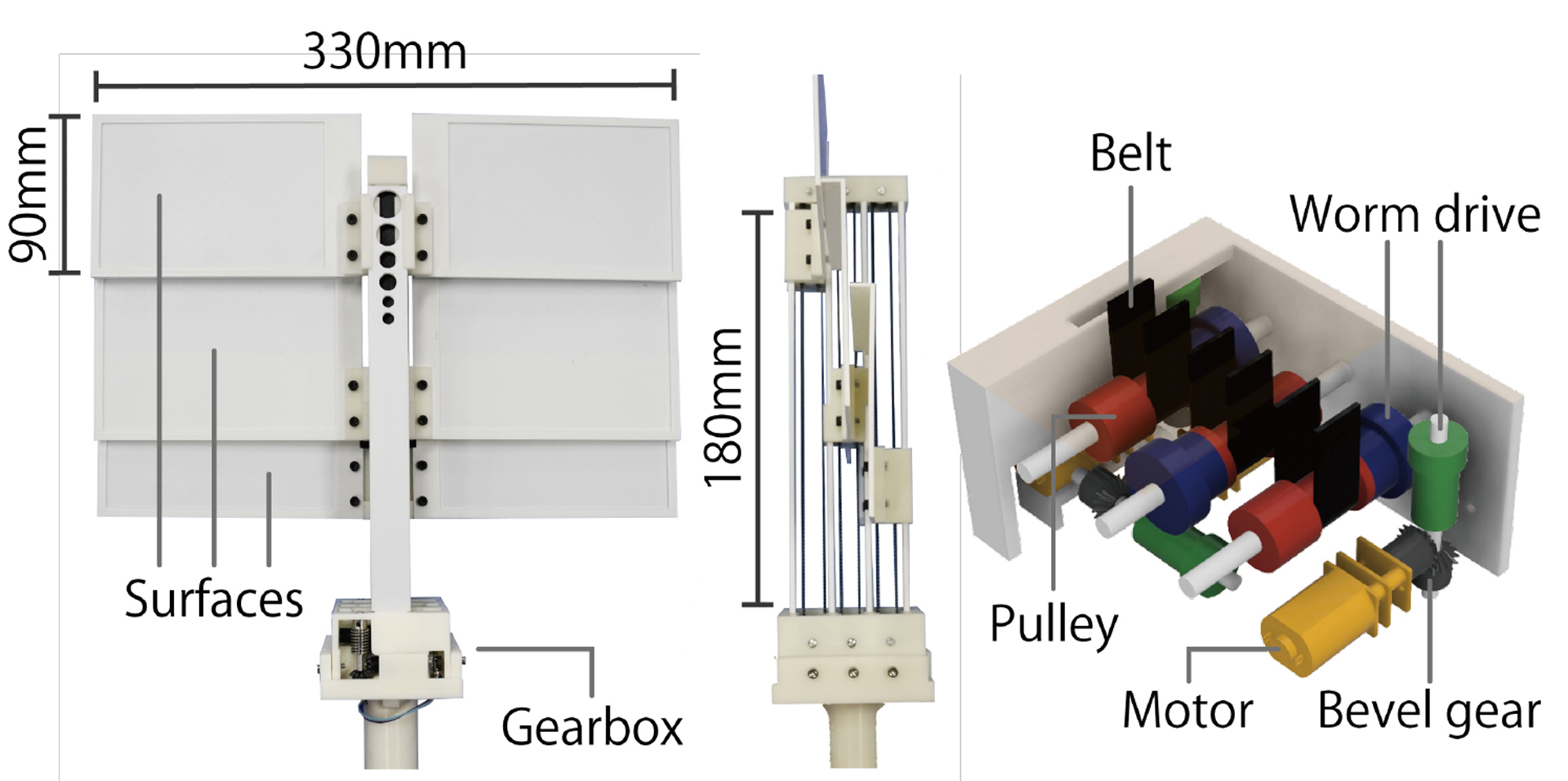
ShapeSense is a handheld VR device with moving surfaces for rendering various shape perceptions with a single device. ShapeSense can simultaneously control mass properties and air resistance for representing an object shape seen in VR. We constructed a shape perception model between device shape and perceived shape using our device.
References:
[1] S. Heo, C. Chung, G. Lee, and D. Wigdor. 2018. Thor’s Hammer: An Ungrounded Force Feedback Device Utilizing Propeller-Induced Propulsive Force. In Proceedings of the 2018 CHI Conference on Human Factors in Computing Systems. ACM, 525.
[2] K. Minamizawa, S. Fukamachi, H. Kajimoto, N. Kawakami, and S. Tachi. 2007. Gravity grabber: wearable haptic display to present virtual mass sensation. In ACM SIGGRAPH 2007 emerging technologies. ACM, 8.
[3] J. Rekimoto. 2013. Traxion: a tactile interaction device with virtual force sensation. In Proceedings of the 26th annual ACM symposium on User interface software and technology. ACM, 427–432.
[4] J. Shigeyama, T. Hashimoto, S. Yoshida, T. Narumi, T. Tanikawa, and M. Hirose. 2019. Transcalibur: A Weight Shifting Virtual Reality Controller for 2D Shape Rendering based on Computational Perception Model. In Proceedings of the 2019 CHI Conference on Human Factors in Computing Systems. ACM (to appear).
Additional Images:
-
- 2019 ETech Liu: ShapeSense: A 2D Shape Rendering VR Device with Moving Surfaces that Controls Mass Properties and Air Resistance
-
- 2019 ETech Liu: ShapeSense: A 2D Shape Rendering VR Device with Moving Surfaces that Controls Mass Properties and Air Resistance
-
- 2019 ETech Liu: ShapeSense: A 2D Shape Rendering VR Device with Moving Surfaces that Controls Mass Properties and Air Resistance
-
- 2019 ETech Liu: ShapeSense: A 2D Shape Rendering VR Device with Moving Surfaces that Controls Mass Properties and Air Resistance