“GlideReality: A Highly-Immersive VR System Augmented by a Novel Multi-Modal and Multi-Contact Cutaneous Wearable Display” by Cabrera and Tsetserukou
Conference:
Experience Type(s):
Title:
- GlideReality: A Highly-Immersive VR System Augmented by a Novel Multi-Modal and Multi-Contact Cutaneous Wearable Display
Program Title:
- New Technologies Research & Education Adaptive Technology
Organizer(s)/Presenter(s):
Description:
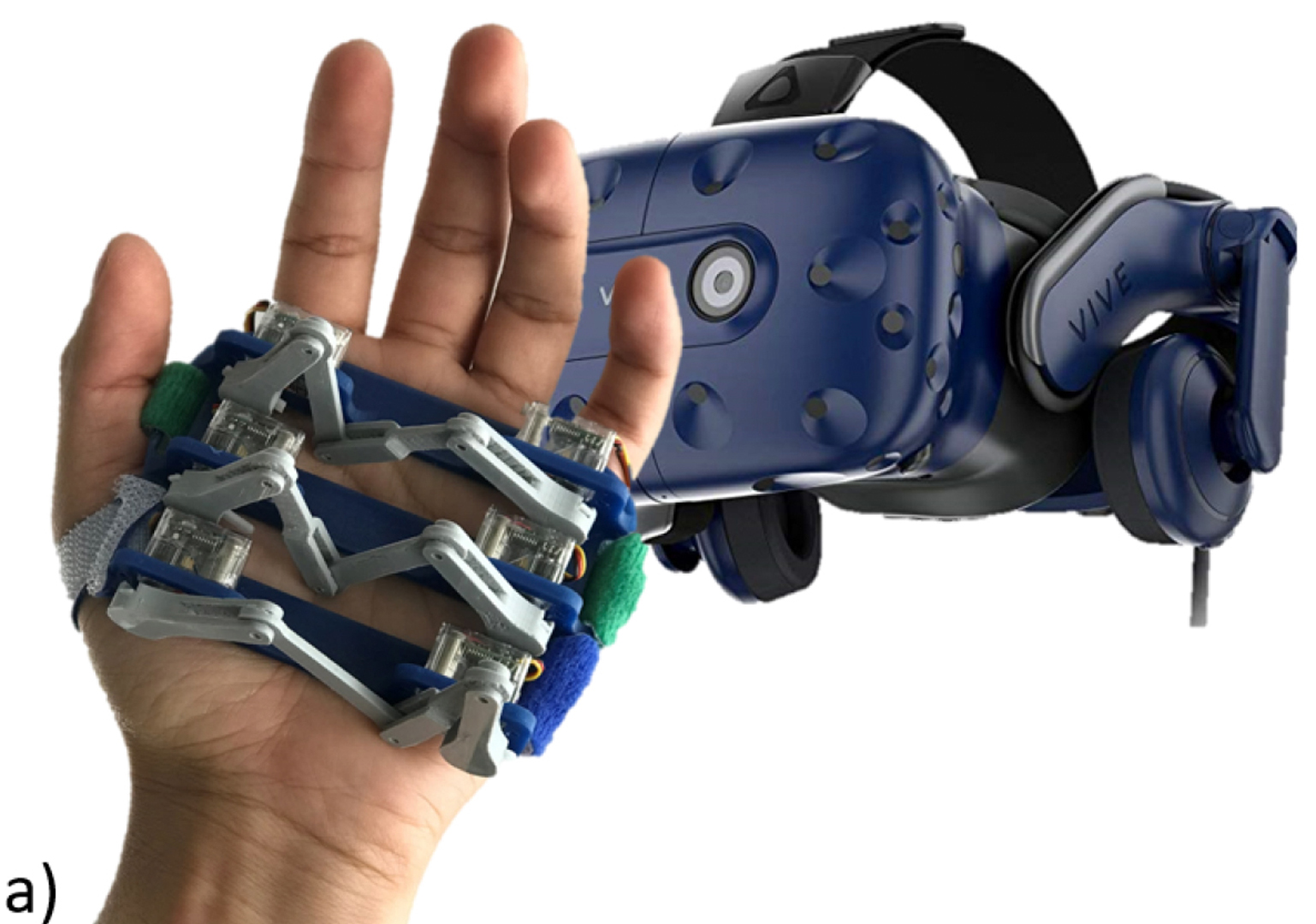
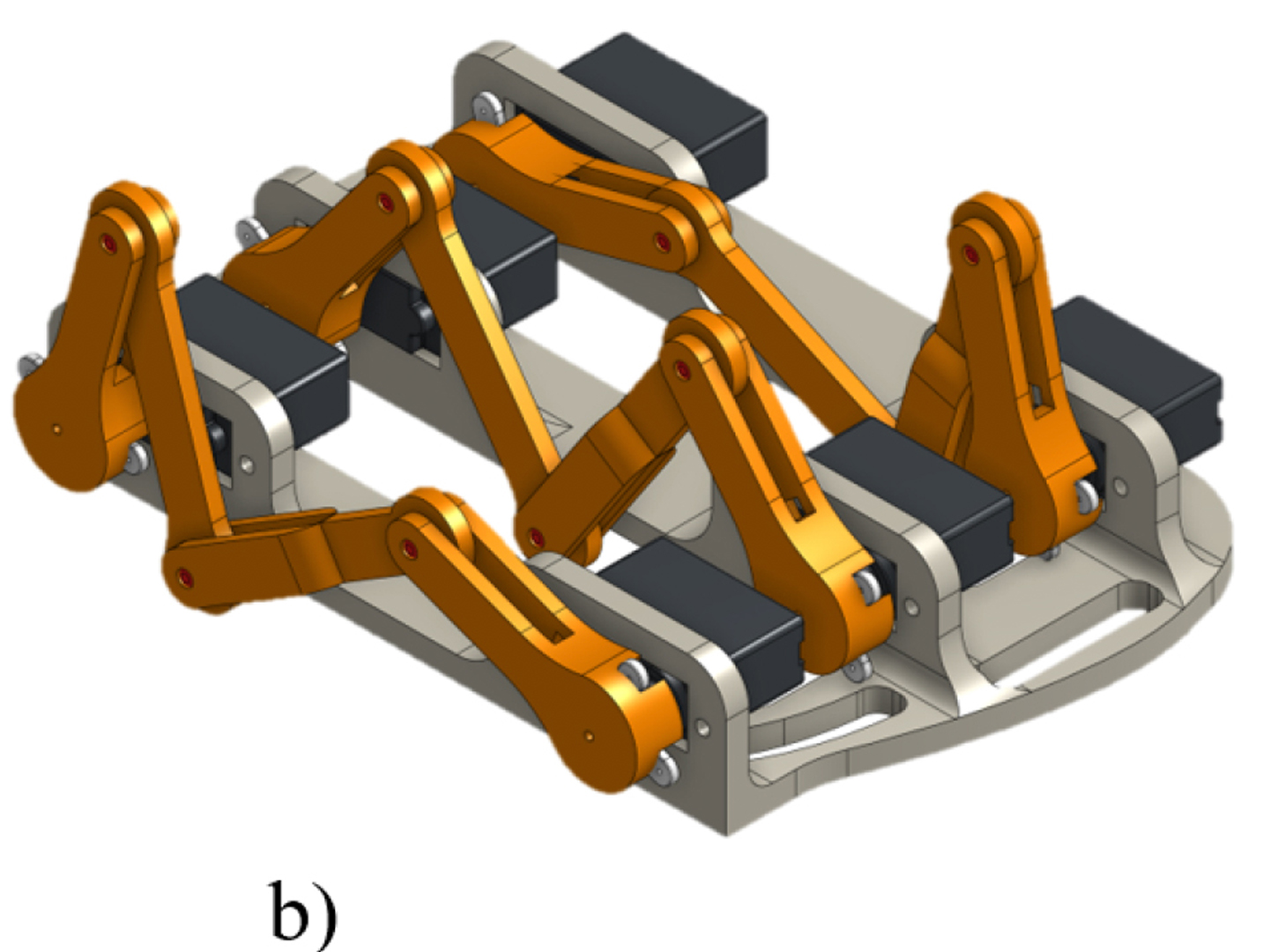
The GlideReality system was designed to increase the immersive VR experience and make it more interactive, providing multi-contact and multi-modal haptic stimuli on the user’s palm using a novel, wearable haptic display LinkGlide, which consists of three five-bar inverted linkages.
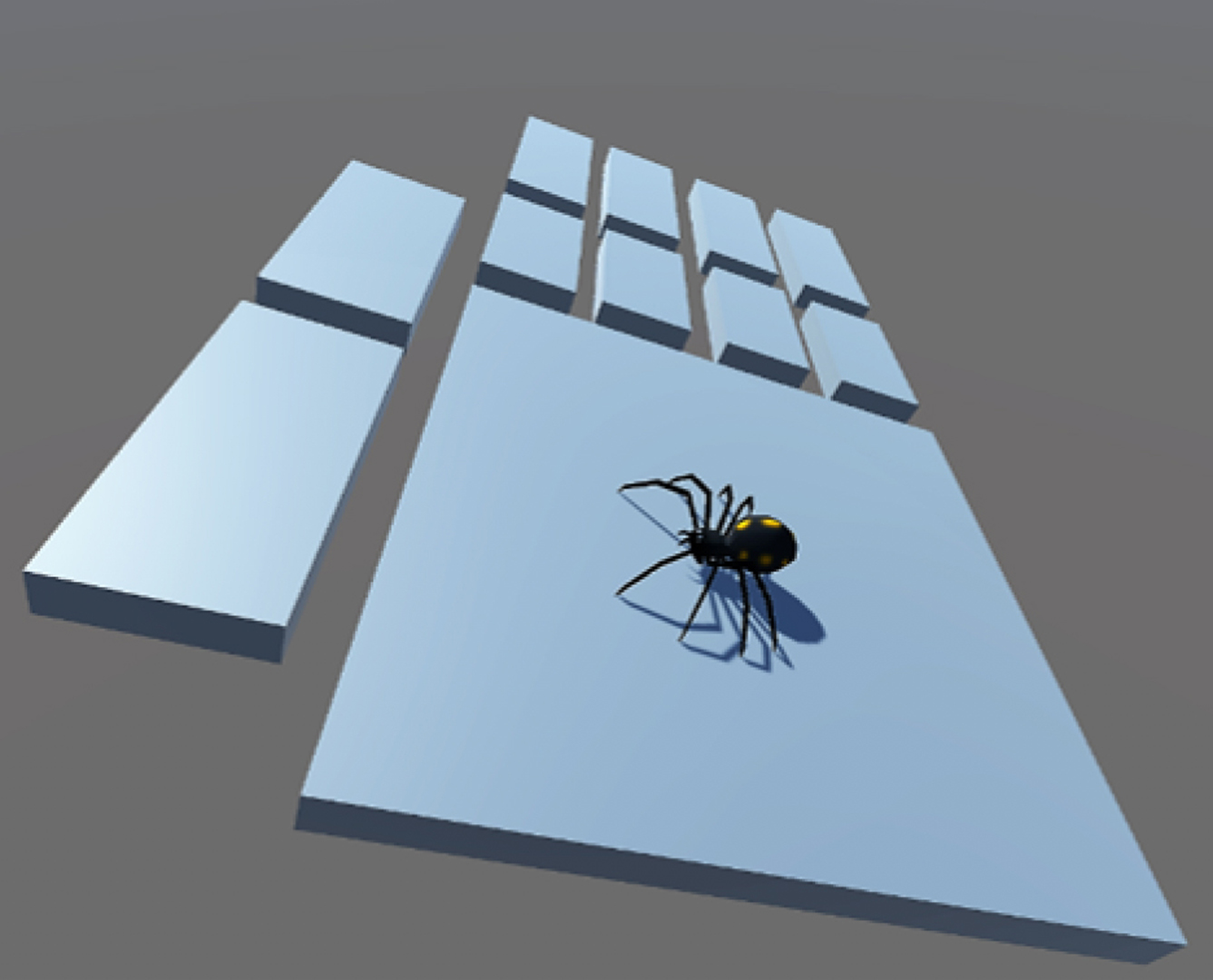
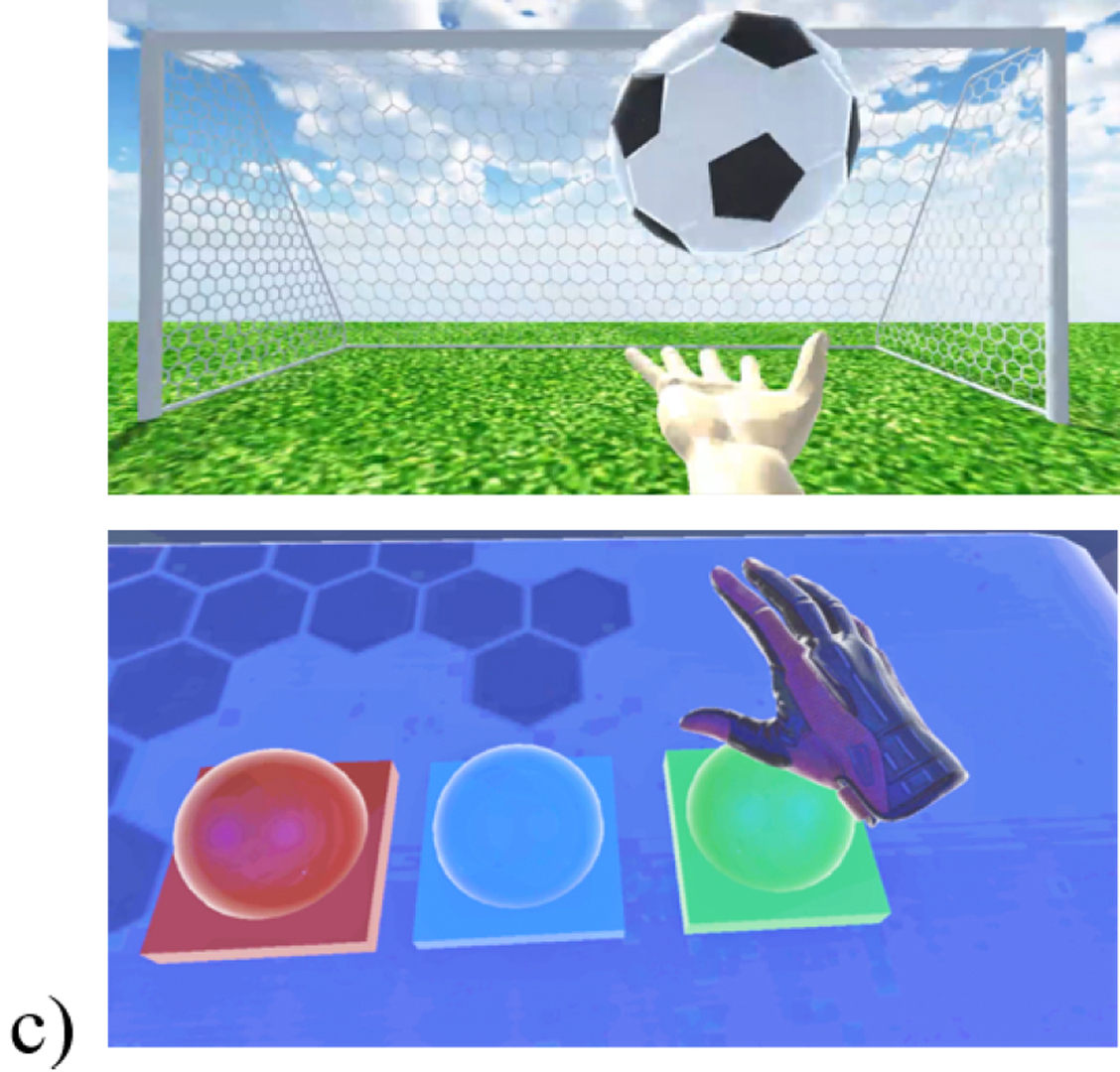
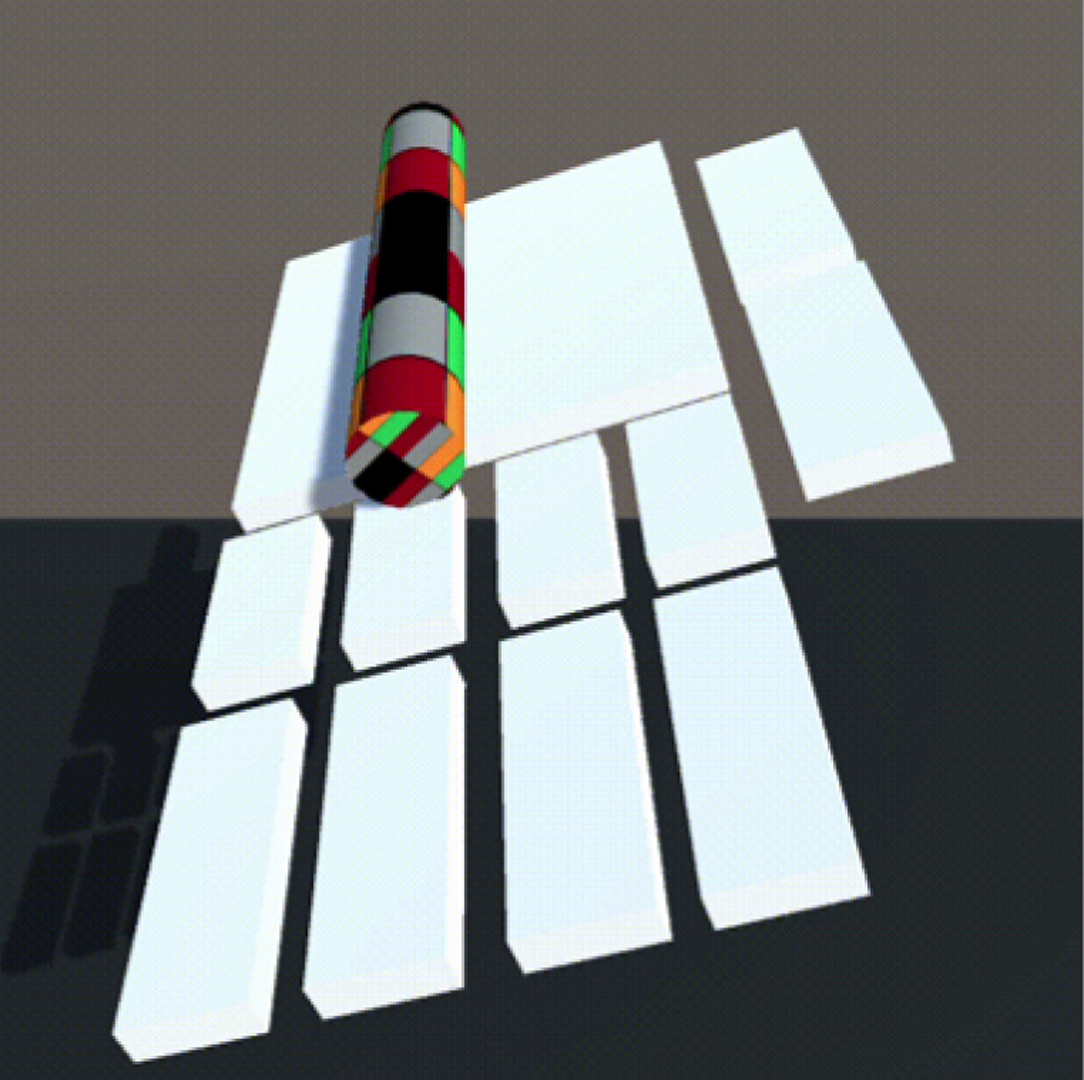
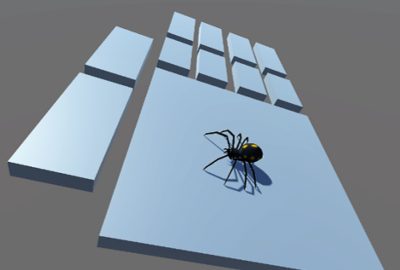
The user’s palm plays a relevant role in the detection and manipulation of objects. The GlideReality system was designed to increase the immersive Virtual Reality (VR) experience and make it more interactive, providing multi-contact and multi-modal haptic stimuli on the user’s palm using a novel wearable haptic display LinkGlide. The proposed device, which consists of three five-bar inverted linkages generatingthree contact points,is used toprovide tactile stimuli to the users in the VR environment. The force sensors, located at each of the contact points, provide feedback to the control system to generate the required stimuli with a specific force. In addition, an impedance control was developed to generate the sensation of objects stiffness. The system consists of an HTC Vive Pro Headset for room scale VR, the trackers for the hand position, and the game engine Unity 3D for the integration of the system and the application development. The GlideReality system provides highly immersive interaction with virtual objects in the different applications: BallFeel, PressFeel, and AnimalFeel. With this system, we can potentially achieve a highly immersive VR experience and make it more interactive.
References:
[1] R. S. Johansson and A. B. Vallbo. 1979. Tactile Sensibility in the Human Hand: Relative and Absolute Sensities of Four Types of Mechanoreceptive Units in Glabrous Skin. (1979), 283–300.
[2] Claudio Pacchierotti, Stephen Sinclair, Massimiliano Solazzi, Antonio Frisoli, Vincent Hayward, and Domenico Prattichizzo. 2017. Wearable Haptic Systems for the Fingertip and the Hand: Taxonomy, Review, and Perspectives. IEEE Transactions on Haptics 10, 4 (2017), 580–600.
[3] Dzmitry Tsetserukou, Shotaro Hosokawa, and Kazuhiko Terashima. 2014. LinkTouch: A wearable haptic device with five-bar linkage mechanism for presentation of two-DOF force feedback at the fingerpad. In 2014 IEEE Haptics Symposium (HAPTICS). 307–312.
[4] Dzmitry Tsetserukou, Katsunari Sato, and Susumu Tachi. 2010. Exolnterfaces: Novel Exosceleton Haptic Interfaces for Virtual Reality, Augmented Sport and Rehabilitation. In Proceedings of the 1st Augmented Human International Conference (AH ’10). ACM, New York, NY, USA, 1:1–1:6.
Additional Images:
-
- 2019 ETech Cabrera: GlideReality: A Highly Immersive VR System Augmented by a Novel Multi-modal and Multi-contact Cutaneous Wearable Display
-
- 2019 ETech Cabrera: GlideReality: A Highly Immersive VR System Augmented by a Novel Multi-modal and Multi-contact Cutaneous Wearable Display
-
- 2019 ETech Cabrera: GlideReality: A Highly Immersive VR System Augmented by a Novel Multi-modal and Multi-contact Cutaneous Wearable Display
-
- 2019 ETech Cabrera: GlideReality: A Highly Immersive VR System Augmented by a Novel Multi-modal and Multi-contact Cutaneous Wearable Display